Christmas Weight Gain

Christmas is meant to be a time of joy, family gatherings, and celebration. But for many people, it’s also the start of a frustrating cycle: overindulging during the holidays, feeling uncomfortable in their clothes by New Year’s Eve, and then making dramatic fitness resolutions that rarely stick past February.

If this sounds familiar, you’re not alone. Research shows that most adults gain between 1-3 pounds during the Christmas period, and while that might not sound like much, these pounds often accumulate year after year. The real problem isn’t just the weight gain itself, but the all-or-nothing mindset that follows.

At Clinic 33, we believe in a different approach. Instead of waiting until January to “fix” holiday damage, why not prevent it from happening in the first place? This guide will show you practical, realistic strategies to enjoy Christmas without derailing your health goals or setting yourself up for another failed New Year fitness attempt.

Understanding Why We Gain Weight During Christmas

Before we dive into prevention strategies, it’s worth understanding what actually happens to our bodies during the festive season. Christmas weight gain isn’t just about eating too much Christmas pudding, though that’s certainly part of it.

The Perfect Storm of Weight Gain Factors

Caloric overload: The average Christmas dinner contains around 3,000-4,000 calories, which is nearly double what most people need for an entire day. Add in Christmas party canapes, chocolates, alcohol, and festive coffee shop treats, and you can see how quickly things add up.

Disrupted routines: Your usual eating schedule goes out the window. Maybe you skip breakfast because you know there’s a big lunch coming, or you find yourself grazing constantly at family gatherings. These irregular patterns can mess with your hunger signals and metabolism.

Reduced activity: Cold weather, packed social schedules, and gym closures mean many people move significantly less during December. Even if you’re normally quite active, a few weeks of reduced movement can impact your body’s ability to process extra calories effectively.

Social and emotional pressures: There’s genuine social pressure around festive eating. Refusing Aunt Sarah’s famous mince pies can feel rude, and food is so tied up with family traditions and emotional comfort that it becomes about much more than nutrition.

The Psychology of Holiday Eating

Here’s what’s really interesting: studies show that people often overestimate how much they “should” be eating during Christmas. We give ourselves permission to completely abandon healthy habits because it’s a “special occasion,” but Christmas celebrations can span several weeks, not just one day.

There’s also something called the “last supper” effect, where people overeat before a planned diet, thinking they won’t be able to enjoy these foods again for months. This creates a binge-restrict cycle that’s actually counterproductive.

Prevention Strategy 1: Smart Eating Without Deprivation

The key to avoiding Christmas weight gain isn’t about saying no to everything festive. It’s about being strategic with your choices so you can enjoy the foods you truly love without going completely overboard.

The 80/20 Approach to Holiday Eating

Think of your Christmas period as following an 80/20 rule. About 80% of the time, stick to your normal healthy eating patterns. The remaining 20% is where you allow flexibility for special occasions, favourite treats, and social situations.

This might mean having your usual healthy breakfast and lunch on Christmas Day, then really enjoying the traditional dinner without guilt. Or eating well during the week but relaxing your standards at weekend parties.

Practical Tactics for Festive Situations

Before big meals: Don’t arrive starving. Have a small protein-rich snack beforehand, like Greek yogurt or a handful of nuts. This prevents you from diving headfirst into the bread basket or canapes.

Navigate buffets smartly: Survey the entire spread before putting anything on your plate. Choose smaller portions of the items you’re most excited about rather than loading up on things that are just “okay.”

Manage liquid calories: Alcohol and festive drinks can add up quickly. Try alternating alcoholic drinks with water, or choose wine over cocktails, which tend to be higher in calories.

Focus on vegetables first: Fill half your plate with vegetables or salad before adding other items. This helps control portions naturally while ensuring you get nutrients.

Christmas Day Strategy

Christmas Day itself doesn’t have to be a complete write-off. Start with a protein-rich breakfast to stabilise blood sugar. Take a walk before the big meal if possible. During dinner, eat slowly and pay attention to your hunger cues. You can absolutely enjoy traditional foods while still listening to your body.

Prevention Strategy 2: Stayinh Active During the Holidays

You don’t need to maintain your usual intense workout schedule during Christmas, but completely stopping all movement for weeks will definitely impact how your body handles extra food.

Indoor Exercise Solutions

December weather isn’t always cooperative, so having indoor backup plans is essential. YouTube workout videos, fitness apps, or even just dancing to Christmas music while you’re cooking can help maintain your activity levels.

A 15-minute morning routine can work wonders. Try 5 minutes of stretching, 5 minutes of bodyweight exercises like squats or lunges, and 5 minutes of walking around your house or up and down stairs.

Making Movement Social and Festive

Post-meal walks: Start a family tradition of walking after big meals. It aids digestion, gets everyone away from the leftovers, and provides a nice break from intense family time.

Active gift-giving: Consider gifts that encourage movement, like dance classes, hiking equipment, or gym memberships. This shows you’re thinking about health and gives you shared activities to enjoy.

Winter activities: If the weather’s decent, Christmas markets, ice skating, or winter hiking can be fun ways to stay active while still enjoying seasonal activities.

Maintaining Some Routine

Try to keep at least some elements of your normal fitness routine, even if scaled back. If you usually go to the gym five times a week, aim for twice during busy weeks. If you normally take daily walks, try every other day. The key is not losing all momentum.

Prevention Strategy 3: Mindful Eating and Stress Management

Christmas can be stressful, and stress eating is real. Learning to distinguish between genuine hunger and emotional eating can prevent a lot of unnecessary weight gain.

Recognising True Hunger vs Emotional Eating

Before reaching for food, pause and ask yourself: Am I actually hungry, or am I bored, stressed, or eating out of habit? If you ate a full meal less than three hours ago and are “hungry” again, it’s probably not physical hunger.

True hunger builds gradually, while emotional cravings tend to hit suddenly and focus on specific comfort foods. Emotional eating also often happens when you’re doing other things, like watching TV or scrolling your phone.

Managing Holiday Stress

The Christmas period can be overwhelming. Family dynamics, financial pressure, and social obligations all contribute to stress, which can trigger cortisol release and make your body more likely to store fat around your midsection.

Simple stress management techniques like deep breathing, short meditation sessions, or even just stepping outside for fresh air can help. Don’t underestimate the power of saying no to some social obligations if you’re feeling overwhelmed.

The Importance of Sleep

Holiday schedules often disrupt sleep, but this can significantly impact weight management. Poor sleep affects hormones that control hunger and satiety, making you more likely to overeat and crave sugary, high-calorie foods.

Try to maintain somewhat regular sleep patterns even during busy periods. Limit alcohol close to bedtime, as it disrupts sleep quality, and avoid large meals late at night.

Breaking the New Year Gym Before It Starts

Here’s the thing about New Year fitness resolutions: they fail because they’re usually too extreme and based on shame about holiday choices. January gym memberships spike, but by March, most people have given up.

Why January Motivation Doesn’t Work

January resolutions fail because they’re often punishment for December “mistakes.” This creates a negative relationship with exercise and healthy eating. Plus, dramatic changes are hard to sustain when you’re already dealing with post-holiday blues and getting back to normal routines.

Creating Sustainable Habits Now

Instead of waiting until January, start building small, sustainable habits during December. Maybe it’s a 10-minute walk after lunch, choosing herbal tea instead of wine on weeknights, or doing some stretches before bed.

These small actions maintain momentum and prevent the “all or nothing” mentality that leads to January crash diets and intense workout plans that burn out quickly.

Setting Realistic Goals

Rather than “lose 20 pounds” or “go to the gym every day,” set process-based goals like “take a walk three times this week” or “include vegetables with every meal.” These are specific, achievable, and focus on building habits rather than punishing yourself.

Professional Support for Long-term Success

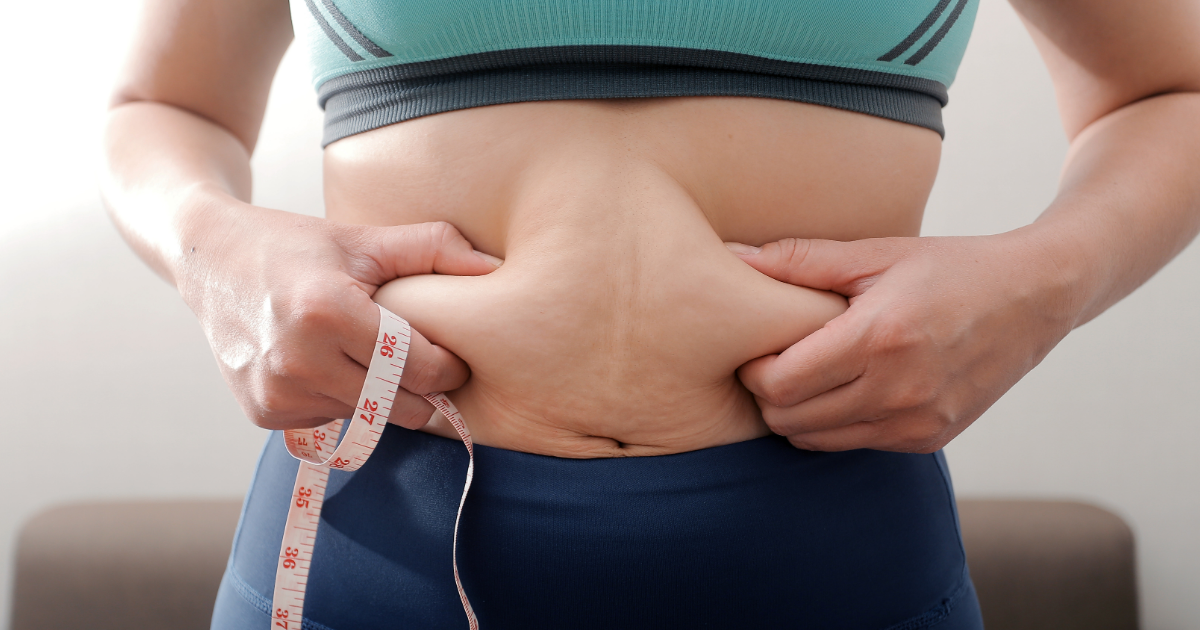
Sometimes, despite best efforts, certain areas of weight gain become stubborn and resistant to diet and exercise alone. This is where non-surgical fat reduction treatments can provide valuable support.

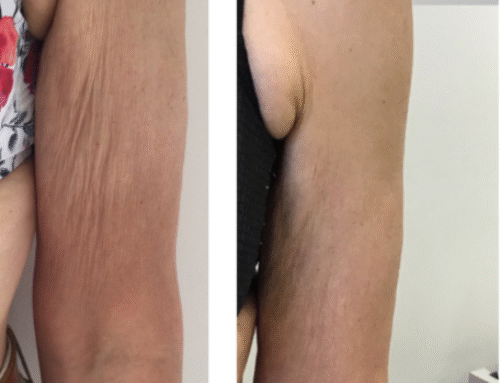
At Clinic 33, we see many clients who have maintained healthy habits for months but struggle with specific problem areas. Cryolipolysis treatments can target these stubborn zones, providing the confidence boost that helps maintain long-term healthy behaviours.

Creating Your Personal Holiday Health Plan

Everyone’s Christmas experience is different. Someone hosting multiple family dinners faces different challenges than someone attending office parties every night. Creating a personalised approach is essential.

Assessing Your Risk Factors

Think about your specific Christmas challenges. Do you struggle more with alcohol at parties, emotional eating during family stress, or completely abandoning exercise routines? Identifying your particular weak spots helps you plan targeted strategies.

Sample Strategies for Common Scenarios

Hosting duties: Prep healthy options alongside traditional foods. Use smaller serving dishes. Focus on being a good host rather than constantly grazing while cooking.

Office parties: Eat a proper meal before attending. Volunteer to help organise activities rather than just standing around food tables. Bring a healthy option to share.

Family gatherings: Have a polite response ready for food pushers (“It looks delicious, I’ll definitely try some”). Take breaks from food-centred activities.

Planning Ahead

Look at your December calendar now. Identify the really important food occasions (Christmas dinner, your favourite party) and the less important ones (random office treats). Plan to be more relaxed about the special occasions and stricter about the everyday stuff.

What to Do If You Do Gain Weight

Despite best intentions, some weight gain might happen, and that’s completely normal. The key is how you respond in January.

Avoiding the All-or-Nothing Trap

If you’ve gained a few pounds, resist the urge to do anything drastic. Extreme dieting or intense workout schedules often lead to rebound weight gain and can damage your relationship with food and exercise.

Instead, gradually return to your normal healthy patterns. Your body will likely naturally drop some of the temporary weight as you reduce sodium intake and get back to regular eating patterns.

When Professional Help Makes Sense

Sometimes, despite consistent healthy habits, certain areas of weight gain become particularly stubborn. This is especially common around the midsection, hips, and thighs, where hormonal changes and genetics can make fat loss challenging.

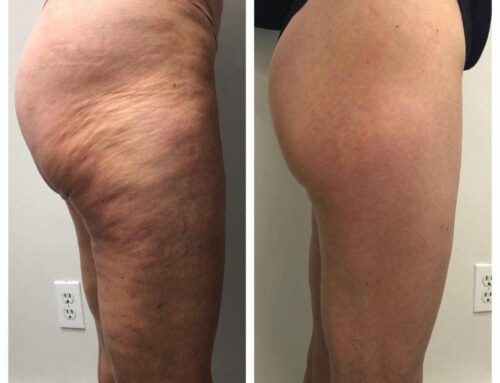
Body contouring treatments at Clinic 33 can complement your healthy lifestyle efforts by targeting these resistant areas. This isn’t about replacing good habits, but enhancing the results of your existing efforts.

Many clients find that seeing improvements in problem areas actually motivates them to maintain their healthy routines long-term, creating a positive cycle rather than the negative January diet spiral.

Conclusion

Avoiding Christmas weight gain isn’t about perfection or depriving yourself of festive joy. It’s about being strategic, mindful, and realistic about your choices. Small, consistent decisions throughout December prevent the need for dramatic January interventions.

The goal is to enjoy Christmas while maintaining the healthy habits that make you feel good in your body year-round. This approach eliminates the guilt, shame, and extreme measures that characterise the typical holiday-New Year cycle.

Remember, true health and body confidence come from sustainable practices, not quick fixes or punishment diets. If you’re looking for additional support in achieving your body goals, whether through lifestyle guidance or professional treatments, the team at Clinic 33 is here to help you create a plan that works with your life, not against it.

Ready to break the cycle this year? Book a consultation to discuss how we can support your year-round confidence and health goals.