The confetti has been swept away, the last of the leftover turkey has finally disappeared from your fridge, and January reality has hit. If you’re like most people, you’re probably standing in front of the mirror wondering how to tackle that extra layer around your midsection that seemed to appear over the festive season.
The internet is flooded with promises of “lose 10 pounds in 10 days” and “melt away Christmas weight with this one trick.” Meanwhile, gyms are packed with people attempting punishing workout regimes they can barely sustain for a week, let alone a year.
Here’s the truth: losing stubborn fat after Christmas doesn’t require extreme measures that leave you feeling deprived and exhausted. In fact, the most effective approaches are often the gentlest ones. At Clinic 33, we’ve helped countless clients navigate post-holiday fat loss in ways that actually stick, combining smart lifestyle changes with innovative treatments when appropriate.
This guide will show you evidence-based strategies to lose fat effectively without falling into the crash diet trap or burning yourself out with unsustainable exercise routines.
Why January Crash Diets Don’t Work for Lasting Fat Loss
Let’s start with some sobering statistics: approximately 95% of people who start restrictive diets in January will have given up by March. This isn’t because they lack willpower—it’s because extreme approaches are fundamentally flawed.
The Metabolism Slowdown Effect
When you drastically cut calories after Christmas, your body interprets this as potential starvation. Your metabolic rate can slow down by up to 40% within just a few weeks of severe calorie restriction. This makes fat loss progressively harder and sets you up for rapid weight regain when you inevitably return to normal eating.
Think about it: your body has just experienced several weeks of abundant food during Christmas. Suddenly switching to 1,200 calories and intense daily workouts is like slamming on the brakes of a speeding car. The shock to your system creates stress hormones that actually promote fat storage, particularly around your midsection.
The Psychological Trap
Extreme dieting also creates an unhealthy relationship with food. When you label entire food groups as “forbidden,” you’re more likely to binge when willpower inevitably weakens. This creates a cycle of restriction, guilt, overeating, and more restriction that can last for months.
Understanding Water Weight vs Real Fat
Here’s something most January diet plans don’t tell you: much of your Christmas “weight gain” is actually water retention from increased sodium, alcohol, and carbohydrate intake. This means that some of what you want to “lose” will naturally disappear within a week or two of returning to normal eating patterns.
Real fat loss, on the other hand, happens gradually and requires a sustainable caloric deficit maintained over time.
Strategy 1: Gentle Return to Normal Eating Patterns
The most effective way to start losing fat after Christmas is to gradually transition back to your normal, healthy eating patterns without shocking your system.
Transitioning Smartly
Instead of going from Christmas cookies to celery sticks overnight, aim for a middle ground. Start by removing the most processed foods first the leftover chocolates, crisps, and sugary drinks while keeping your meal structure relatively normal.
Focus on eating three balanced meals and one or two small snacks if needed. Each meal should include a palm-sized portion of protein, plenty of vegetables, some healthy fats, and moderate amounts of complex carbohydrates.
The Power of Hydration
After weeks of increased alcohol and processed food consumption, your body is likely dehydrated and retaining excess sodium. Drinking 2-3 litres of water daily helps flush out toxins, reduces bloating, and can even boost your metabolism by up to 30% for about an hour after drinking.
Foods That Support Natural Recovery
Certain foods can help your body recover from holiday indulgence:
- Leafy greens provide nutrients that support liver detoxification
- Lean proteins help maintain muscle mass during fat loss
- Fiber-rich foods keep you satisfied and support digestive health
- Anti-inflammatory foods like berries and fatty fish help reduce bloating
Sample Post-Christmas Day Structure
- Breakfast: Greek yogurt with berries and a handful of nuts
- Lunch: Large salad with grilled chicken or fish, olive oil dressing
- Dinner: Steamed vegetables with lean protein and a small portion of quinoa
- Snack (if needed): Apple with almond butter or a small handful of mixed nuts
This approach provides adequate nutrition while creating a gentle caloric deficit that promotes fat loss without metabolic slowdown.
Strategy 2: Smart Movement That Actually Burns Fat
The “New Year, new me” mentality often leads people to jump straight into intense workout programs that their bodies aren’t prepared for after a relatively sedentary December.
Why HIIT Isn’t Always the Answer
High-Intensity Interval Training gets a lot of attention for fat burning, but it’s not suitable for everyone, especially if you’ve been inactive for weeks. HIIT is extremely demanding on your nervous system and can actually increase stress hormones if overdone.
For most people coming off a holiday break, moderate-intensity exercise is more sustainable and effective. This might include brisk walking, swimming, cycling at a conversational pace, or bodyweight exercises.
The Importance of Strength Training
Muscle tissue burns significantly more calories at rest than fat tissue. By incorporating 2-3 strength training sessions per week, you’re building the metabolic machinery that will help you burn fat even when you’re not exercising.
You don’t need heavy weights or complex equipment. Bodyweight exercises like squats, lunges, push-ups, and planks can be incredibly effective when performed consistently.
Creating a Realistic January Exercise Plan
Start with just 3-4 exercise sessions per week for 20-30 minutes each. This might look like:
- Week 1-2: Two strength sessions, two moderate cardio sessions
- Week 3-4: Three strength sessions, two cardio sessions
- Week 5+: Gradually increase intensity and duration as your fitness improves
The key is consistency over intensity. A moderate workout you can sustain for months is infinitely more valuable than an intense routine you abandon after two weeks.
Strategy 3: Addressing the Hormonal Side of Stubborn Fat
One aspect often overlooked in post-Christmas fat loss is the hormonal component. The holiday period can disrupt several key hormones that regulate fat storage and burning.
Stress and Cortisol Management
January tends to be a stressful time back to work, financial pressure from Christmas spending, and the general “January blues” all contribute to elevated stress levels. High cortisol promotes fat storage, particularly around the midsection, making it harder to lose that stubborn belly fat.
Simple stress management techniques can significantly improve your fat loss results:
- 10 minutes of daily meditation or deep breathing
- Regular sleep schedule with 7-8 hours per night
- Time in nature, even if just a daily walk outside
- Limiting news and social media consumption
Sleep’s Crucial Role
Poor sleep disrupts hormones that control hunger and satiety. When you’re sleep-deprived, your body produces more ghrelin (hunger hormone) and less leptin (satiety hormone), making you more likely to overeat and crave high-calorie foods.
Prioritizing sleep quality can be just as important as diet and exercise for fat loss. Create a consistent bedtime routine, keep your bedroom cool and dark, and avoid screens for at least an hour before sleep.
When Diet and Exercise Aren’t Enough: Understanding Stubborn Fat Zones
Sometimes, despite consistent healthy habits, certain areas of fat remain frustratingly resistant to traditional fat loss methods. This isn’t a failure of willpower, it’s biology.
The Science Behind Stubborn Fat
Stubborn fat areas typically have:
- Poor blood flow, making it harder for fat-burning hormones to reach these areas
- Higher concentrations of alpha-2 receptors, which inhibit fat breakdown
- Different hormonal sensitivities compared to other fat deposits
Common stubborn areas include the lower belly, love handles, inner and outer thighs, and upper arms. These areas are often the last to respond to diet and exercise and the first to accumulate fat when weight is regained.
Age and Hormonal Factors
As we age, hormonal changes make fat loss more challenging. Decreased growth hormone, testosterone, and thyroid function all contribute to slower metabolism and increased fat storage. For women, hormonal fluctuations during perimenopause and menopause can particularly affect fat distribution.
Non-Surgical Fat Reduction: A Modern Solution for Post-Christmas Concerns
For those stubborn areas that don’t respond to lifestyle changes alone, modern aesthetic treatments offer effective solutions that complement healthy habits rather than replace them.
How Cryolipolysis Works
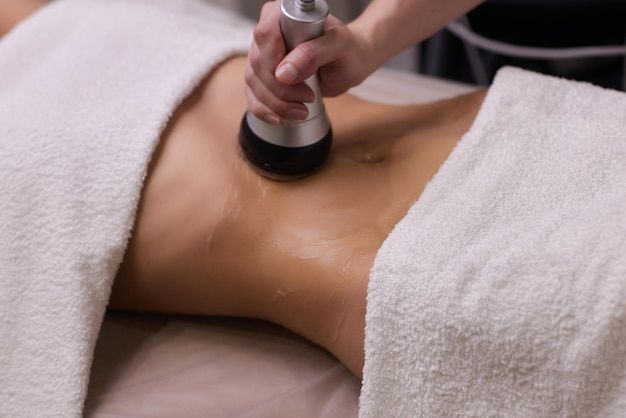
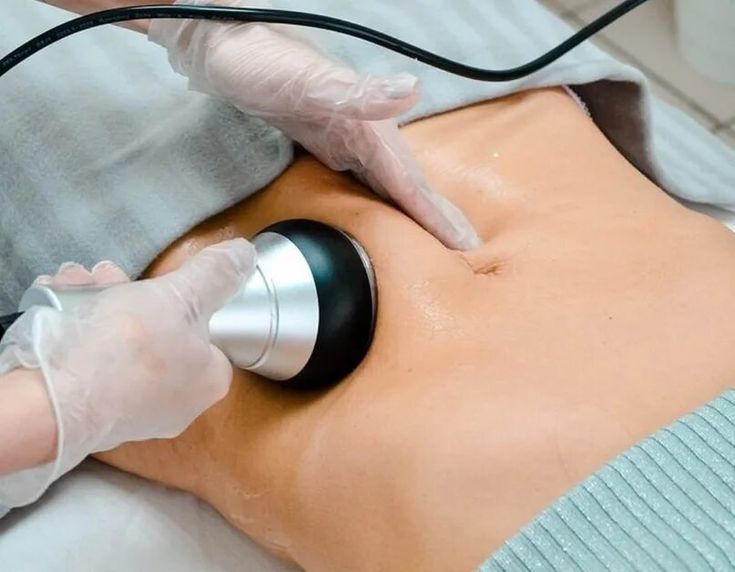
Fat freezing treatments use controlled cooling to target and eliminate fat cells without surgery, needles, or downtime. The process permanently destroys fat cells in treated areas, which are then naturally eliminated by the body over 8-12 weeks.
This makes it particularly effective for those stubborn areas that persist despite healthy lifestyle changes. Many clients find that seeing improvements in problem areas actually motivates them to maintain their healthy habits long-term.
Why January is Ideal Timing
Starting body contouring treatments in January means you’ll see full results by spring, just in time for warmer weather and summer clothing. The gradual nature of results also means they appear natural and proportional as you continue your healthy lifestyle changes.
Realistic Expectations
Non-surgical fat reduction treatments typically reduce fat in treated areas by 20-27% per session. This isn’t dramatic weight loss but rather targeted contouring that enhances the results of your diet and exercise efforts.
Most people need 1-3 sessions per area for optimal results, with treatments spaced 6-8 weeks apart. The investment ranges depending on the number of areas treated and sessions required.
Creating Your Personalised Post-Christmas Fat Loss Plan
The most effective approach combines the strategies that work best for your specific situation, lifestyle, and goals.
Assessment Questions
Lifestyle factors:
How much weight did you actually gain over Christmas?
What are your main dietary challenges?
How much time can you realistically commit to exercise?
What’s your stress level and sleep quality like?
Stubborn areas:
Which areas didn’t respond to previous diet/exercise efforts?
How important is it to see results in these specific areas?
Are you open to professional treatments alongside lifestyle changes?
Timeline Expectations:
Month 1 (January): Focus on establishing sustainable habits, expect to lose water weight and see initial improvements
Month 2-3: Consistent fat loss of 1-2 pounds per week, improvements in energy and mood
Month 4+: Continued progress with potential plateau periods that require strategy adjustments
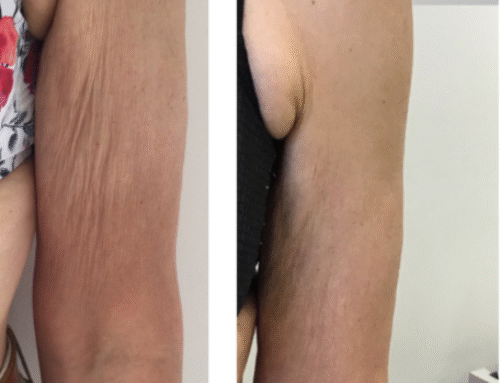
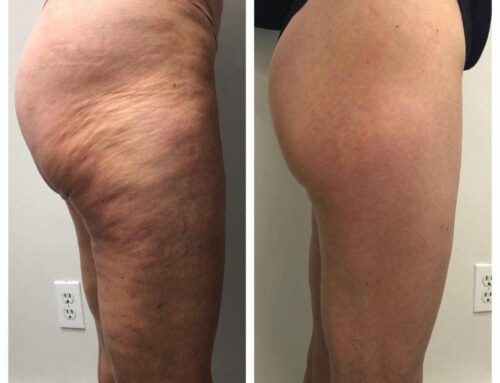
For those incorporating professional treatments, results begin appearing around week 3-4 with full effects visible by week 12.
Common Mistakes to Avoid When Losing Fat After Christmas
Learning from others’ mistakes can save you months of frustration and help you achieve better results faster.
The Scale Obsession
Daily weigh-ins can be misleading and demotivating. Your weight naturally fluctuates by 2-4 pounds daily due to water retention, food volume, and hormonal changes. Focus on weekly averages and other measures like how your clothes fit, energy levels, and progress photos.
Too Much, Too Soon
Trying to change everything at once diet, exercise, sleep schedule, stress management often leads to overwhelm and giving up. Start with 1-2 changes and build from there.
Social Media Comparisons
Everyone’s body responds differently to fat loss efforts. Comparing your progress to carefully curated social media posts is a recipe for disappointment and can lead to unhealthy behaviors.
Conclusion
Losing stubborn fat after Christmas doesn’t require extreme measures that leave you feeling deprived and exhausted. The most effective approach combines gentle dietary changes, smart exercise choices, stress management, and when appropriate, professional treatments that target areas resistant to lifestyle changes alone.
Remember that sustainable fat loss takes time, but the results last. Quick fixes might seem appealing in January, but they rarely deliver long-term success. By focusing on building healthy habits and addressing stubborn areas strategically, you can achieve the body confidence you’re looking for without the burnout.
At Clinic 33, we understand that post-Christmas fat loss isn’t just about appearance, it’s about feeling confident and healthy in your body. Whether you need support with lifestyle strategies or want to explore how professional treatments can enhance your results, we’re here to help you create a plan that fits your life.
Ready to start your post-Christmas transformation the right way? Book a consultation today to discuss your goals and discover the most effective approach for your specific situation.