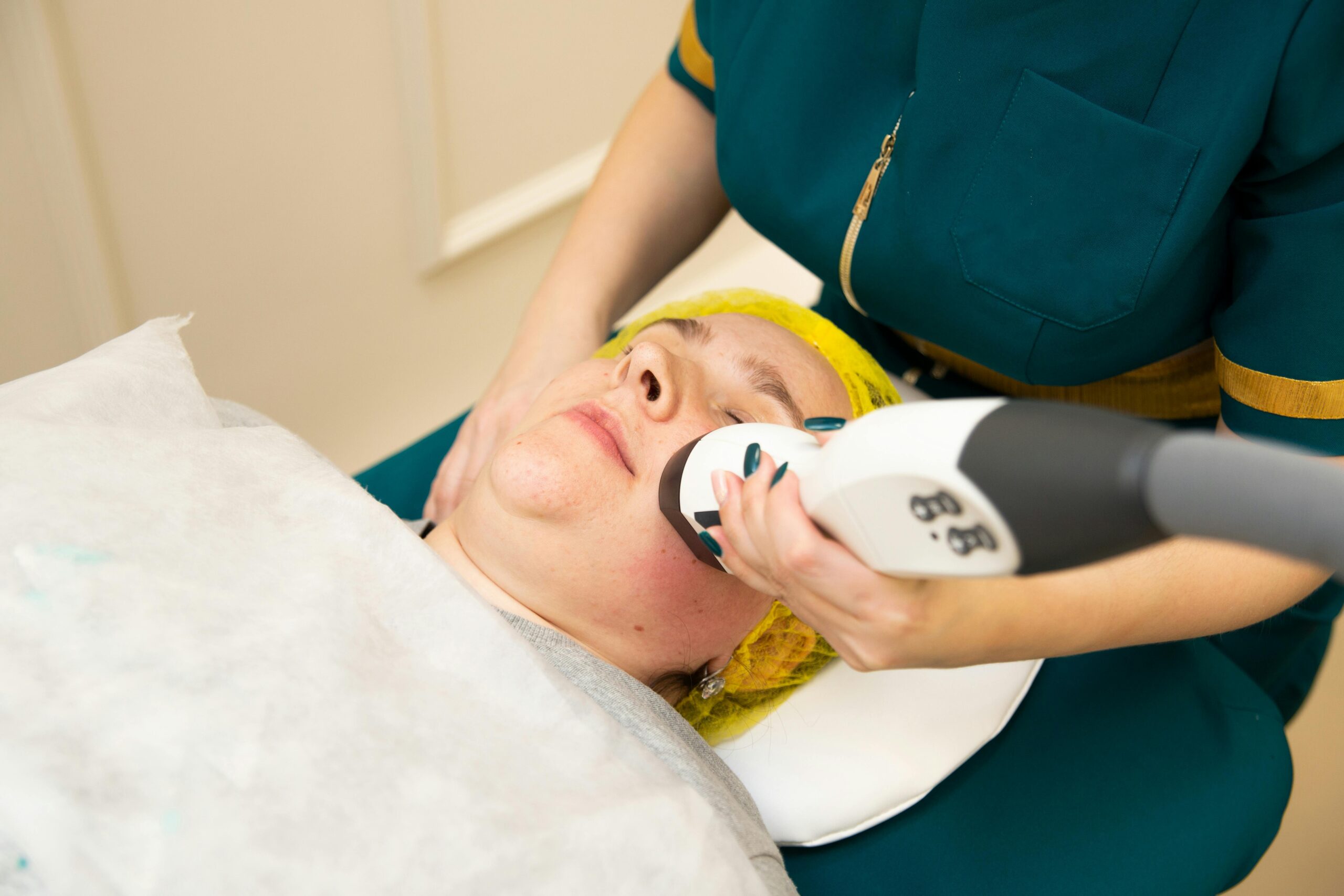
If you’re struggling with stubborn fat under your chin, you’re facing one of the most frustrating areas of the body to shift. You can be at your ideal weight, exercise regularly, and eat well, yet still catch sight of that unwelcome double chin in photos or the mirror.
The truth is, learning how to reduce chin fat effectively isn’t about finding some miracle exercise or cream. It’s about understanding why this area is so resistant to traditional methods and knowing which evidence-based treatments actually deliver results.
At Clinic 33, we’ve been helping people tackle this exact concern since 2013. This guide will give you the straight facts about how to get rid of chin fat, including realistic expectations and proven solutions that don’t require surgery.
What Actually Causes Fat to Accumulate Under the Chin?
Understanding why chin fat develops explains why your usual weight management strategies might not work in this area.
Genetics: The Primary Factor
Your genetic makeup determines where your body prefers to store fat, and for many people, the area under the chin is simply one of these predetermined zones. You can maintain a healthy weight throughout your life and still develop a double chin. It’s not a reflection of your lifestyle choices, some families are genetically prone to fat accumulation in the submental area.
Age-Related Changes
As we age, several factors contribute:
Skin elasticity decline: Collagen production naturally decreases, so skin under your chin loses its ability to snap back, creating a sagging effect that makes fat deposits more noticeable.
Muscle tone reduction: The muscles that support your jawline weaken with age, reducing natural definition.
Hormonal shifts: Changes during menopause can alter where your body stores fat, sometimes directing it toward the face and neck area.
Weight Fluctuations
While chin fat isn’t always related to overall body weight, significant weight changes can affect this area. Weight gain can cause fat to accumulate under the chin, while rapid weight loss can leave the skin loose and undefined.
The Key Takeaway
Since genetics play such a significant role, and age-related changes are inevitable, targeted treatments often provide better results than hoping diet and exercise alone will solve the problem. If you want to understand more about why certain areas become resistant to fat loss, our detailed guide on stubborn chin fat explores this phenomenon in greater depth.
Can Exercise or Diet Reduce Chin Fat? (The Honest Answer)
This deserves an honest, evidence-based answer since there’s so much conflicting information online about chin exercises and targeted fat loss.
The Truth About Spot Reduction
The concept of spot reduction losing fat from specific areas through targeted exercises is not supported by scientific evidence. When your body burns fat for energy, it does so systematically, drawing from fat stores throughout the body based on genetic factors, not based on which muscles you’re exercising.
This means that doing chin exercises, neck stretches, or chewing gum extensively will not specifically target the fat under your chin. These activities might provide some muscle toning benefits, but they won’t eliminate the fat layer above those muscles.
Popular “Chin Exercises”: What the Science Says
You’ve probably seen online tutorials promoting exercises like tongue stretches and movements, neck tilts and rotations, jaw clenching and releases, and exaggerated chewing motions. While these exercises aren’t harmful, they’re not effective for fat reduction. They might provide temporary improvements in muscle tone, creating a slight lifting effect, but this is minimal and temporary. The underlying fat layer remains unchanged.
Can Overall Weight Loss Help?
Overall weight loss through diet and exercise can reduce chin fat for some people, but the results are unpredictable. Because genetic factors largely determine where your body loses fat first, the chin area is often one of the last places to show improvement if it improves at all.
Many people successfully lose significant weight from other areas while their chin fat remains stubbornly unchanged. This selective fat loss pattern is completely normal and doesn’t indicate failure on your part.
When Diet and Exercise Aren’t Enough
The honest answer is that diet and exercise alone are rarely sufficient for significant chin fat reduction. This isn’t a personal failing, it’s simply how fat distribution and loss work in the human body. Understanding this can actually be liberating, because it means you can stop pursuing ineffective methods and focus on approaches that actually work for this specific concern.
Non-Surgical Treatments That Actually Work
Modern aesthetic medicine offers several proven, non-surgical treatments for chin fat reduction. The key to success lies in matching the right treatment to your specific concern and anatomy.
Fat Freezing (Cryolipolysis): Targeting Fat Directly
Fat freezing for the double chin is exceptionally effective for people with a defined pocket of fat under the centre of the chin.
How it works: The treatment uses controlled cooling to target fat cells specifically. Fat cells freeze at a higher temperature than surrounding tissues, allowing the treatment to selectively damage them without affecting skin, muscle, or nerves. Once frozen, the fat cells undergo programmed cell death and are naturally eliminated by your body’s lymphatic system over 6–12 weeks.
What it feels like: During the 45-minute session, you’ll experience intense cold for the first 5–10 minutes, followed by numbness as the area becomes naturally anaesthetised. Most people find it comfortable enough to read, use their phone, or even nap during treatment.
Results timeline: Initial changes may be noticeable around 3–4 weeks, with full results visible by 6–12 weeks. The fat reduction is permanent once eliminated those fat cells cannot return.
Best candidates: People with a pinchable layer of fat under the chin, good skin elasticity, and realistic expectations for gradual improvement.
HIFU: Tightening from Within
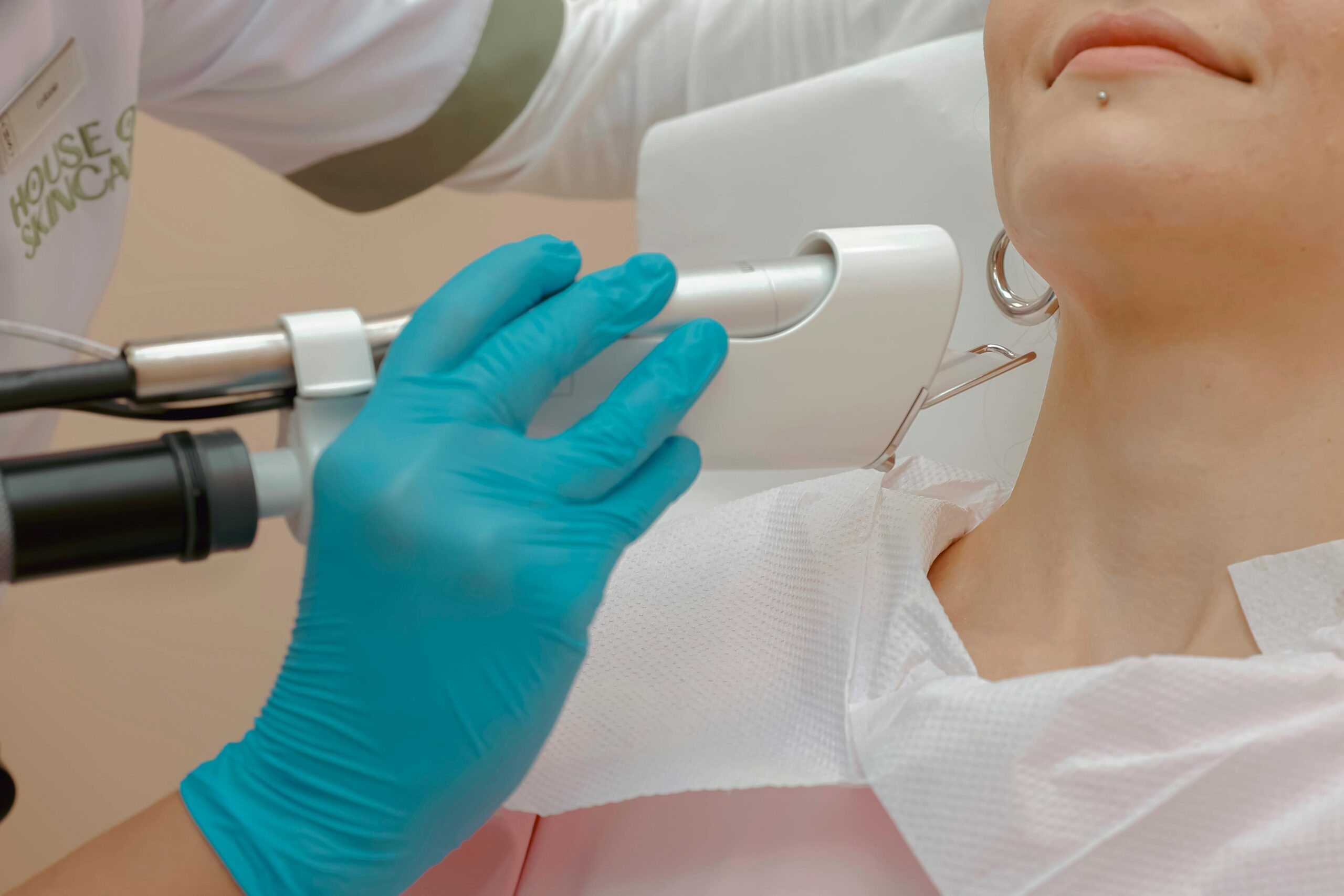
HIFU treatment (High-Intensity Focused Ultrasound) targets deeper skin layers to stimulate collagen production and create a lifting, tightening effect.
How it works: Focused ultrasound energy heats specific depths within the skin and superficial muscle layer, triggering your body’s natural collagen production response. This process gradually tightens and lifts the treated area.
What it addresses: HIFU is particularly effective when skin laxity accompanies chin fat concerns. It’s ideal for people who have both loose skin and mild fat accumulation under the chin.
Results timeline: You may see some immediate tightening, but the main results develop over 2–4 months as new collagen forms. Results can continue improving for up to 6 months post-treatment.
Best candidates: People with mild to moderate skin laxity under the chin, those who want both skin tightening and modest fat reduction.
Lipofirm Pro: Comprehensive Jawline Contouring
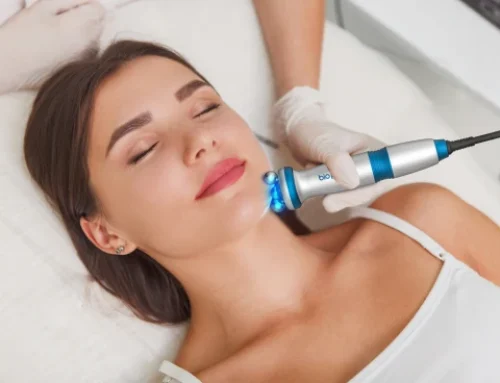
Lipofirm treatment combines radiofrequency energy with Dynamic Muscle Activation (DMA) to provide comprehensive jawline contouring — making it particularly suited to people who want to improve the shape and definition of their entire jawline, not just the central chin area.
How it works: Radiofrequency energy heats deeper skin layers to stimulate collagen production, while DMA technology activates muscle contractions to improve tone and definition along the jawline. This dual approach addresses fat reduction, skin tightening, and jawline definition simultaneously delivering a more sculpted overall result than treatments targeting fat alone.
Treatment protocol: Lipofirm is delivered as a course of 6–8 sessions, performed weekly. This gradual approach allows for progressive improvement while ensuring comfort and optimal results.
Best candidates: People who want to improve their entire jawline contour, those with both fat and skin laxity concerns, and anyone looking for an all-in-one approach to facial reshaping below the chin.
Simple Self-Selection Framework
Not sure which treatment is right for you? Here’s a quick starting point:
- Primarily a defined pocket of fat under the centre of the chin: Fat freezing is typically the most effective starting point.
- General jawline softening with loose skin: Lipofirm Pro offers the most comprehensive jawline contouring and improvement.
- Both significant fat and skin laxity concerns: A combination approach using multiple treatments often provides optimal results.
Not sure whether fat freezing or HIFU is right for you? We’ve put together a detailed treatment comparison guide that walks through both options side by side covering how they work, who they’re best suited to, and how to choose. It’s the natural next step if you’re still weighing up these two treatments.
How Many Sessions Will I Need?
Understanding treatment frequency helps set realistic expectations and plan your investment accordingly.
Fat Freezing Session Requirements
Most clients achieve their desired results with 1–2 fat freezing sessions per area. Factors that influence session requirements include the volume of fat present, how efficiently an individual’s body processes eliminated fat cells, and whether the goal is conservative improvement or more noticeable reduction. Where more significant results are needed, 2–3 sessions spaced 6–8 weeks apart may be recommended.
HIFU Treatment Sessions
HIFU typically requires 1–2 sessions for optimal results. The collagen-building response varies between individuals, some people see excellent results after one treatment, while others benefit from a second session 3–6 months later.
Lipofirm Pro Protocol
Lipofirm Pro is delivered as a course of 6–8 sessions, performed weekly. This protocol allows for progressive, natural-looking improvement while ensuring comfort throughout.
Setting Realistic Expectations
More sessions don’t automatically mean better results. The key is finding the right treatment intensity and frequency for your specific situation. During your consultation, we’ll provide personalised recommendations based on your anatomy, goals, and lifestyle.
What Results Can I Expect and When?
Setting realistic expectations is crucial for treatment satisfaction.
Fat Freezing Results
Timeline: Initial changes may be noticeable around 3–4 weeks, with full results visible by 6–12 weeks. Some people continue to see subtle improvements beyond this as the body completes its natural elimination process.
Degree of change: Clinical studies show an average fat reduction of 20–27% in treated areas per session, a noticeable but natural-looking improvement in chin contour.
Longevity: Results are permanent in terms of fat cell elimination. The destroyed fat cells cannot regenerate. However, significant weight gain could cause remaining fat cells to enlarge.
HIFU Results
Timeline: Some immediate skin tightening may be visible, but the main collagen-building response develops over 2–4 months. Results can continue improving for up to 6 months.
Degree of change: A gradual lifting and tightening effect that becomes more pronounced over time. The improvement is subtle but significant.
Longevity: Results typically last 1–2 years, depending on individual ageing factors and lifestyle.
Lipofirm Pro Results
Timeline: Many clients notice jawline improvements after just 2–3 sessions, with optimal results visible after completing the full course.
Degree of change: Comprehensive jawline contouring including both fat reduction and skin tightening.
Longevity: Results can last 12–18 months with a stable weight and proper maintenance.
Managing Expectations
Non-surgical treatments provide gradual, natural-looking improvements rather than dramatic overnight changes. This gradual progression is actually an advantage — it allows your features to settle naturally and avoids the “overdone” look. Results are also influenced by factors like age, skin quality, lifestyle, and individual healing response.
What Does Treatment at Clinic 33 Involve?
Yes, I noticed that as well, but I’m not sure how to fix it. Every treatment journey begins with a free consultation where we assess the area, discuss your goals, and recommend the most suitable approach. The treatment itself takes 40–70 minutes depending on which option you choose, and you can return to normal activities immediately afterwards. Some people experience mild temporary effects like slight swelling or numbness, but these typically resolve within hours to days.
Ready to Find Out Which Treatment Is Right for You?
Chin fat is rarely solved by exercise alone, and non-surgical treatment works well when matched to the right concern. At Clinic 33, we’ve been treating this issue since 2013, and we’ll give you an honest assessment of your situation to recommend the approach most likely to achieve your goals.
Book your free consultation today. You’ll receive personalised advice based on your specific anatomy and get a clear treatment plan with no obligation to proceed.