What Is a Chemical Peel? Types, Benefits and What to Expect
A chemical peel is one of the most widely used skin treatments in clinical aesthetics, and also one of the most misunderstood. The word “chemical” puts some people off, and “peel” makes others picture significant flaking and days of hiding. The reality for most modern clinical peels is considerably more measured than that. What is a chemical peel, what do chemical peels actually do to your skin, and are they right for your concern? This guide gives you the plain-English version.
What a Chemical Peel Is and How It Works
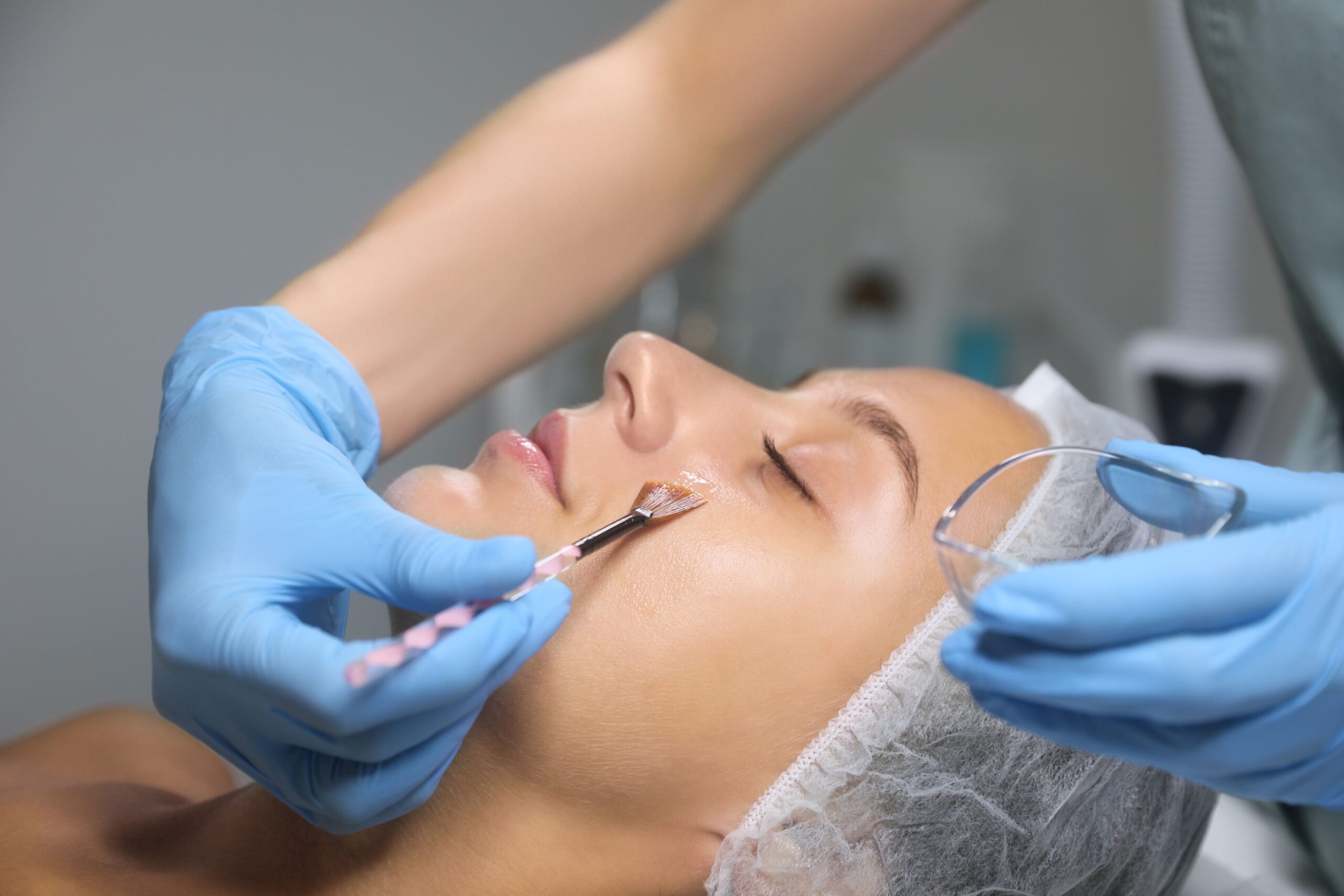
A chemical peel applies a carefully formulated acid solution to the skin, which accelerates the natural process of cell turnover. The top layers of dead and damaged skin cells are loosened and shed, prompting the skin beneath to regenerate. As new cells come to the surface, the skin appears fresher, smoother and more even in tone.
The mechanism is controlled exfoliation. Your skin naturally turns over its surface cells every 28 to 40 days, a cycle that slows as you age. A chemical peel compresses and accelerates that cycle, clearing away the accumulation of dull, damaged or pigmented cells more efficiently than any surface-level product can achieve at home.
The depth of exfoliation, and therefore the strength of the result and the amount of visible peeling, depends on the type and concentration of the acid used, and how long it is left on the skin. Clinical peels are formulated to produce a specific, predictable effect at a controlled depth, which is what makes them safe and effective in the hands of a trained practitioner.
Types of Chemical Peel and What Each Suits
Peels are generally grouped by depth: superficial, medium and deep. At Clinic 33, the Mesoestetic range is used, with the peel type and strength selected based on your skin concern, skin type and the amount of downtime you are comfortable with.
Superficial peels
Superficial peels use lower concentrations of acids such as glycolic, lactic, mandelic or salicylic acid to exfoliate the very outermost layer of the skin. They produce a subtle brightening and smoothing effect, with little to no visible peeling and no recovery time. Most people can return to normal activity the same day, and results are cumulative when used in a regular course.
They suit: dullness, mild uneven tone, congestion, early fine lines, oily or acne-prone skin. Many people use superficial peels monthly as part of an ongoing skin maintenance routine alongside treatments like a HydraFacial.
Medium-depth peels
Medium-depth peels penetrate further into the dermis, producing a more significant renewal response. Trichloroacetic acid (TCA) at controlled concentrations is one of the most commonly used agents at this level. Visible peeling typically occurs from day two to day five after treatment and may last several days. The result is a more pronounced improvement in texture, tone and fine lines than a superficial peel can achieve.
They suit: moderate sun damage, more established uneven pigmentation, acne scarring, deeper lines and skin that has not responded sufficiently to superficial treatments. There is a recovery window of around five to seven days, during which the skin is peeling and sensitivity is heightened.
The Mesoestetic range at Clinic 33
The Mesoestetic chemical peel range is a medical-grade system formulated with combinations of acids and active ingredients, allowing the treatment to be precisely calibrated for different skin concerns and tones. Options include the Mesopeel Glycolic, Mesopeel Mandelic and Azelan ranges, among others, each targeting a specific aspect of skin renewal. The strength selected for your session is always discussed and agreed in advance, and patch testing is carried out where appropriate. Full details are on the Mesoestetic chemical peels page.
What a Chemical Peel Helps With
Chemical peels are effective for a wide range of skin concerns that involve the upper layers of the skin. Many clients see meaningful improvement in:
- Dullness and lack of radiance: the most immediate and consistent result. Removing the build-up of dead cells restores the reflective quality of healthy skin.
- Uneven skin texture: rough patches, enlarged pores and a generally uneven surface all improve with regular exfoliation at depth.
- Uneven skin tone and pigmentation: peels break down melanin deposits in the superficial layers of the skin, reducing the appearance of sun spots, post-inflammatory hyperpigmentation and uneven tone. For deeper or more persistent pigmentation concerns, the sun damage and pigmentation guide covers the fuller picture.
- Congestion and breakout-prone skin: acid peels, particularly salicylic acid at superficial depth, clear pore congestion and reduce the bacterial environment that contributes to breakouts. For more on managing acne as a condition, see the acne condition page.
- Fine lines and early signs of ageing: consistent stimulation of cell renewal over a course of peels improves the overall quality and thickness of the skin, which in turn softens fine lines.
Peels are less suited to structural concerns such as significant skin laxity, deep scarring or volume loss, which require a different mechanism entirely. For skin laxity, radiofrequency or HIFU is more appropriate. For deeper textural scarring, microneedling works at a different level and can be combined with a peel programme for a comprehensive approach. Peels are also not recommended for active rosacea flares; the rosacea guide covers appropriate treatment during those periods.
What to Expect and Chemical Peel Aftercare
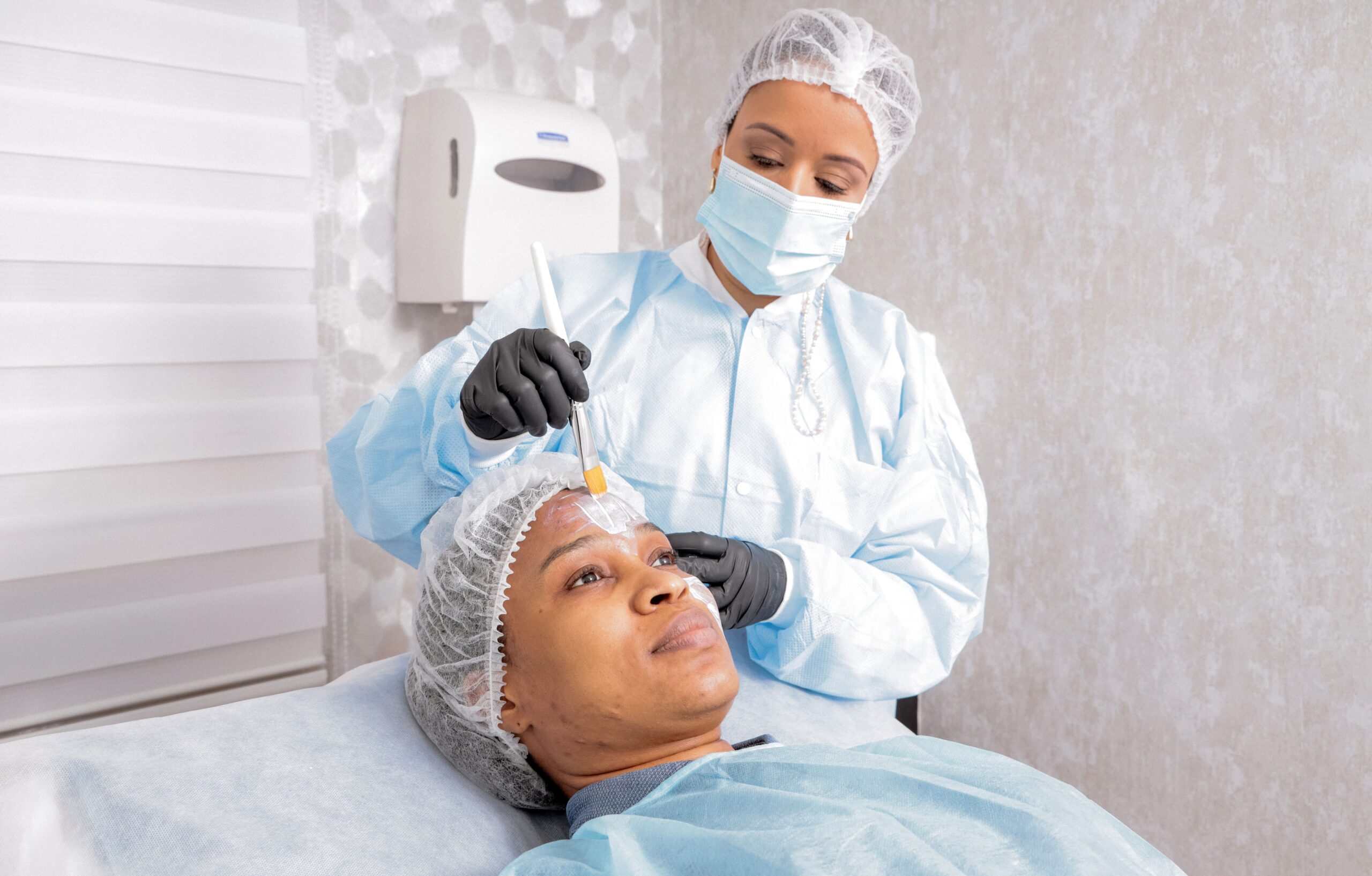
During a chemical peel session, the solution is applied to clean, dry skin and left for a precise amount of time before being neutralised or removed. Superficial peels produce a mild tingling or warmth during application. Medium-depth peels may produce a stronger stinging sensation while the acid is active, which settles quickly once the peel is neutralised. Sessions typically take 30 to 45 minutes including preparation.
After a superficial peel, the skin may look slightly pink and feel tight for a day or two, but visible peeling is usually very minor or absent entirely. After a medium-depth peel, more visible peeling from day two to day five is expected and is a normal part of the renewal process.
Chemical peel aftercare: what to do and avoid
- Apply SPF 30 or higher every day without fail, starting immediately after treatment. Freshly renewed skin is significantly more vulnerable to UV damage and pigmentation.
- Keep the skin hydrated with a gentle, fragrance-free moisturiser for the first week.
- Do not pick or pull at peeling skin. It sheds in its own time, and interference increases the risk of marking.
- Avoid active skincare ingredients including retinol, AHAs, BHAs and vitamin C for at least five to seven days after treatment, or until peeling has fully resolved.
- Avoid saunas, steam rooms, intense exercise and direct sun exposure during the peeling phase.
- Do not have any other facial treatment on the same area within two weeks of a medium-depth peel without clinic guidance.
Sun protection is not optional after a chemical peel. UV exposure on newly renewed skin is the most common reason results disappoint or pigmentation returns. A broad-spectrum SPF applied daily for at least four weeks after treatment is the single most important aftercare step.
Chemical Peels at Clinic 33
At Clinic 33, chemical peels are carried out using the Mesoestetic medical-grade range, selected and calibrated to your skin concern, skin type and the level of result you are working towards. Every peel begins with a skin assessment to confirm suitability, discuss the appropriate peel depth and prepare you for what to expect during recovery.
Peels are often used as part of a wider skin programme, combined with other treatments such as LED therapy or microneedling, where the peel prepares the skin surface for deeper treatment to follow. The team will advise on the most effective sequence for your specific goals. Full details are on the Mesoestetic chemical peels page. Client results are on the results page.
Chemical Peel FAQs
-
Are chemical peels safe?
Yes, when carried out by a trained practitioner using medical-grade formulations appropriate for your skin type. The Mesoestetic range used at Clinic 33 is designed for clinical use and has an established safety profile across a wide range of skin tones. The key risks from chemical peels, including post-inflammatory hyperpigmentation or prolonged sensitivity, are most commonly associated with incorrect acid selection for skin type, inadequate sun protection after treatment, or unsupervised home use of high-strength peels. In a clinical setting with proper assessment and aftercare guidance, these risks are well managed.
-
How much does your skin peel afterwards?
This depends on the depth of the peel. Superficial peels may produce little or no visible peeling, just a subtle flaking similar to dry skin over two to three days. Medium-depth peels produce more noticeable peeling from day two to around day five or six, where the skin sheds in sections. The amount varies between individuals and areas. Do not pick or accelerate the process; the skin will shed when it is ready, and interfering increases the risk of pigmentation or irritation.
-
How often can you have a chemical peel?
Superficial peels can be repeated every three to four weeks as part of a regular skin maintenance programme, and many people include them alongside other facial treatments on a monthly cadence. Medium-depth peels require longer between sessions, typically eight to twelve weeks, to allow full skin recovery and collagen remodelling before the next treatment. The clinical team will advise on the right interval for your specific peel and skin concern.
-
Which chemical peel is right for me?
This depends on your primary skin concern, skin type, skin tone and how much downtime you are comfortable with. For general brightness, texture and congestion with no downtime, a superficial peel is the starting point. For more established pigmentation, uneven tone or fine lines, a medium-depth option will produce a stronger result. For darker skin tones, acid selection is particularly important to avoid post-inflammatory hyperpigmentation, and the Mesoestetic range includes formulations specifically developed for this. The free consultation at Clinic 33 is the best way to get a specific recommendation based on your skin rather than a general guide.