
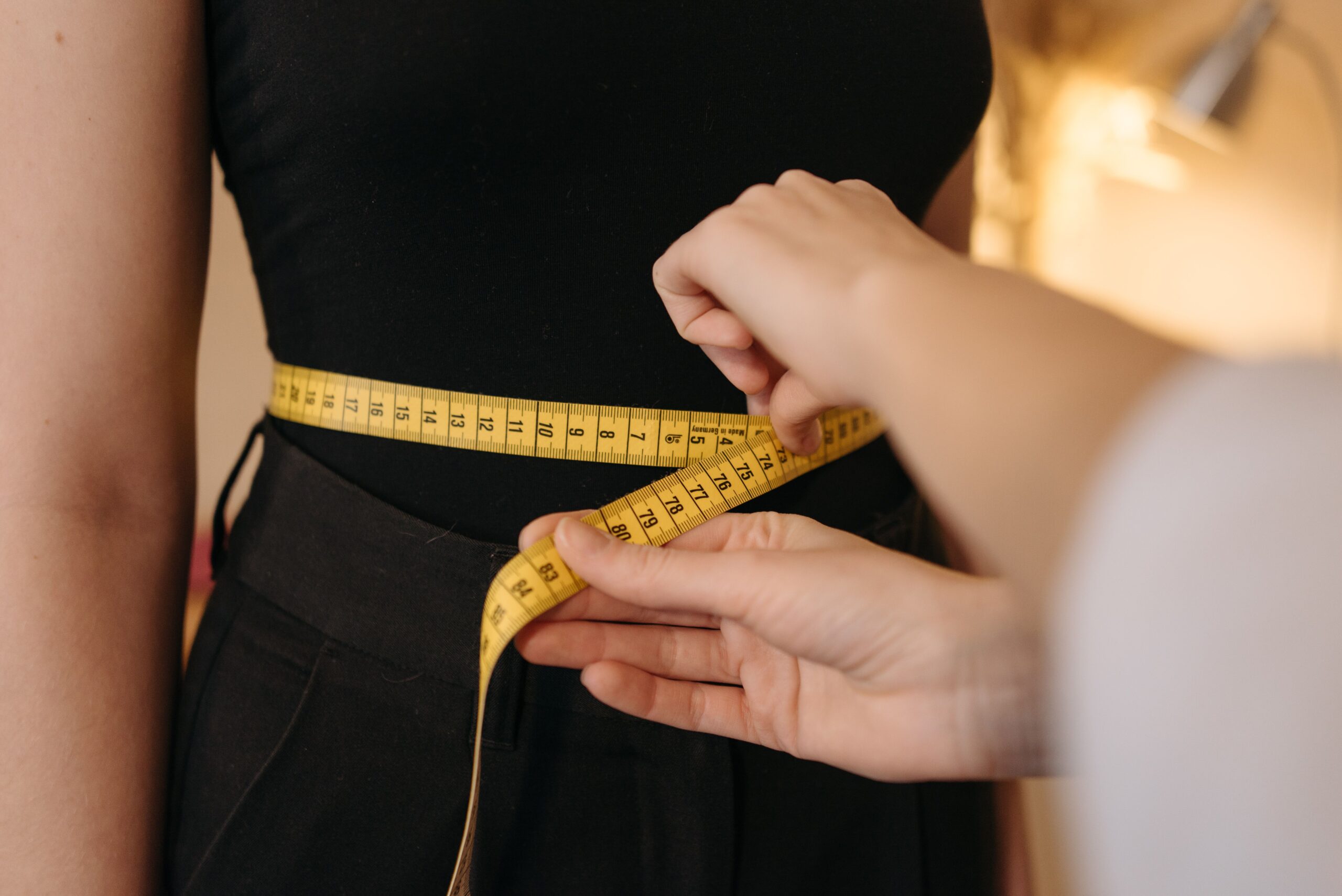
Understanding Your Body Composition: Muscle, Fat and What the Numbers Mean
Most people use the scales as their main measure of progress. The number goes down and things are going well; the number stays the same or goes up and something is wrong. The problem with that logic is that body composition, the actual ratio of muscle to fat in your body, tells you far more about your health and how you look than your total weight ever can. Two people can weigh exactly the same and look completely different, feel completely different, and have entirely different health profiles, simply because their muscle and fat levels differ. This guide explains what body composition is, what the key measurements mean, and why understanding your numbers is a much more useful starting point than stepping on the scales.
What Body Composition Means
Your body is made up of several distinct components: muscle, fat, water, bone and organs. Body composition refers specifically to the proportion of muscle mass to body fat, expressed either as a ratio or as separate percentage figures. It is a more accurate picture of your physical makeup than weight alone, which tells you nothing about how that weight is distributed.
Consider two examples. Someone who weighs 70 kg with 30% body fat has roughly 21 kg of fat and 49 kg of lean tissue, which includes muscle, bone and organs. Someone else who also weighs 70 kg but has 20% body fat has around 14 kg of fat and 56 kg of lean tissue. They are the same weight on the scales but their bodies look, function and respond to exercise and treatment very differently.
This matters practically because muscle is metabolically active tissue. Higher muscle mass means a higher resting metabolic rate, better insulin sensitivity, more physical resilience and, for most people, a leaner, more defined appearance. Fat, particularly in excess, does the opposite. Understanding which you have more of, and where, is the starting point for making meaningful change.
Visceral Fat, and Why It Matters
Not all body fat is equivalent. The fat stored just beneath the skin, called subcutaneous fat, is the kind you can pinch. It affects how clothes fit and how the body looks, but it is relatively inert from a health perspective. Visceral fat is different: it sits around the internal organs in the abdominal cavity, and it is metabolically active in ways that are relevant to long-term health.
Visceral fat releases inflammatory compounds and affects how the body regulates blood sugar, cholesterol and blood pressure. Elevated visceral fat is associated with a higher risk of metabolic conditions, and it tends to build up in people whose total weight or BMI looks unremarkable. This is precisely why BMI, which is simply a ratio of weight to height, is such a limited tool: someone can be a perfectly normal BMI while carrying a level of visceral fat that represents a genuine health concern, and someone else can have a BMI classified as overweight while carrying very little visceral fat and a healthy ratio of lean tissue.
Visceral fat also responds well to the right interventions. Strength training, regular activity and certain dietary changes reduce visceral fat measurably. Tracking it accurately, rather than estimating from the scales or a tape measure, is what lets you see whether those changes are working.
What a Body Composition Scan Measures
A body composition scan, such as the InBody 270 assessment at Clinic 33, uses bioelectrical impedance analysis (BIA) to measure how electrical signals travel through the body. Because muscle, fat and water conduct electricity differently, the device can calculate the proportion of each with a high degree of accuracy and present the results as a detailed breakdown.
A full InBody assessment typically shows:
- Skeletal muscle mass: the total weight of your muscle tissue, usually expressed in kilograms and broken down by body segment (arms, legs, trunk).
- Body fat mass and percentage: the total weight and proportion of fat tissue in the body, including both subcutaneous and visceral fat.
- Visceral fat level: a specific figure for fat around the abdominal organs, rated on a scale from 1 to 20, with levels above 10 generally considered elevated.
- Total body water: intracellular and extracellular water distribution, which reflects hydration, inflammation and lymphatic function.
- Basal metabolic rate (BMR): the estimated number of calories the body burns at rest, which is directly influenced by muscle mass.
- Segmental analysis: muscle and fat distribution across different body areas, which shows imbalances between left and right sides or upper and lower body that overall averages would miss.
The result is not a single number but a map of your body. That map is what makes it possible to set meaningful, specific goals rather than just aiming for a lower number on the scales.

Using the Numbers to Guide a Treatment Plan
Body composition data is useful precisely because it makes decisions clearer. Rather than guessing at what kind of treatment is most appropriate, the numbers direct you towards the right starting point.
If your visceral fat level is elevated, reducing it is the priority, and that typically calls for a combination of lifestyle change and, where relevant, targeted treatments such as radiofrequency or fat freezing for stubborn subcutaneous areas alongside it. If your body fat percentage is high but visceral fat is within range, the goal may be more about reshaping and reducing localised fat deposits in specific areas. If your muscle mass is low relative to your body fat, that changes the picture again: building lean tissue, potentially with the support of EMS muscle toning, may be the more effective intervention than fat reduction alone.
The non-surgical body contouring guide covers the full range of treatment options in detail. The key point here is that those options produce better outcomes when they are matched to what your body actually needs, not to what you assume it needs based on how you look or how much you weigh. An InBody baseline before starting treatment, and repeat assessments during and after a course, gives both you and the clinic a clear, objective picture of what is changing.
Practically, this means that at Clinic 33 the InBody 270 scan is used not just as a one-off measurement but as a planning and tracking tool. If muscle building is the goal, it measures whether a course of EMS treatment is delivering the expected increase in skeletal muscle mass. If fat reduction is the goal, it confirms whether that fat reduction is happening in the right compartment.
Body Composition Assessments at Clinic 33
The InBody 270 assessment at Clinic 33 takes around ten minutes and requires no special preparation beyond avoiding food, exercise and a large amount of water in the two hours beforehand. The scan is non-invasive: you stand on the device’s electrodes and hold the hand grips while it takes its measurements. The results are available immediately and the Clinic 33 team goes through them with you, explaining what each figure means and how it relates to your goals.
The assessment is available as a standalone appointment or as part of a treatment consultation. Many clients find it most useful at the start of a course of treatment, to establish a clear baseline, and again at the end, to see what has changed. The results page at clinic33.co.uk/results shows client outcomes from a range of treatments, including those where body composition data was used to track progress.
Body Composition FAQs
-
Why is body composition better than weight as a measure?
Weight is a single number that combines muscle, fat, bone, water and everything else in one figure. It tells you how much you weigh but not what you are made of, which is the part that actually matters for health, appearance and treatment planning. Body composition breaks that number apart and shows you the ratio of lean tissue to fat, which is far more informative. It is entirely possible to lose fat and gain muscle simultaneously while your weight stays exactly the same, which looks like no progress on the scales but represents a significant positive change in your body.
What is a healthy body fat percentage?
Healthy body fat percentage varies by sex and age. For women, a healthy range is broadly considered to be between 20% and 32%, with athletic levels around 14% to 20%. For men, a healthy range is roughly 10% to 22%, with athletic levels around 6% to 13%. These are reference ranges rather than precise targets: the right body fat level for any individual depends on their age, health history, activity level and goals. What the numbers flag is the extremes: very low body fat carries its own risks, and levels significantly above the healthy range are associated with poorer metabolic health.
What is visceral fat and why does it matter?
Visceral fat is the fat stored around the abdominal organs inside the body cavity, as distinct from the subcutaneous fat stored just beneath the skin. It is metabolically active in a way that subcutaneous fat is not: it releases inflammatory compounds and affects how the body regulates blood sugar, cholesterol and blood pressure. On the InBody 270, visceral fat is given a score from 1 to 20. A level of 10 or above is generally considered elevated and worth addressing. Visceral fat is not visible from the outside and cannot be assessed reliably by looking at someone or measuring their waist circumference, which is one of the reasons a scan is useful.
How often should you measure your body composition?
For most people, measuring every eight to twelve weeks gives enough time for meaningful change to accumulate and show up clearly in the numbers. Measuring too frequently, particularly weekly, introduces noise from normal fluctuations in hydration, digestion and menstrual cycle phase that can make the numbers misleading. The most useful model is a baseline before starting a treatment course or making a significant lifestyle change, followed by a repeat assessment at the end of the course to see what has shifted. After that, an annual or biannual check provides a useful long-term picture of how your body composition is changing with age and activity.