How to Get Rid of Stretch Marks: What Actually Works (and What Doesn’t)
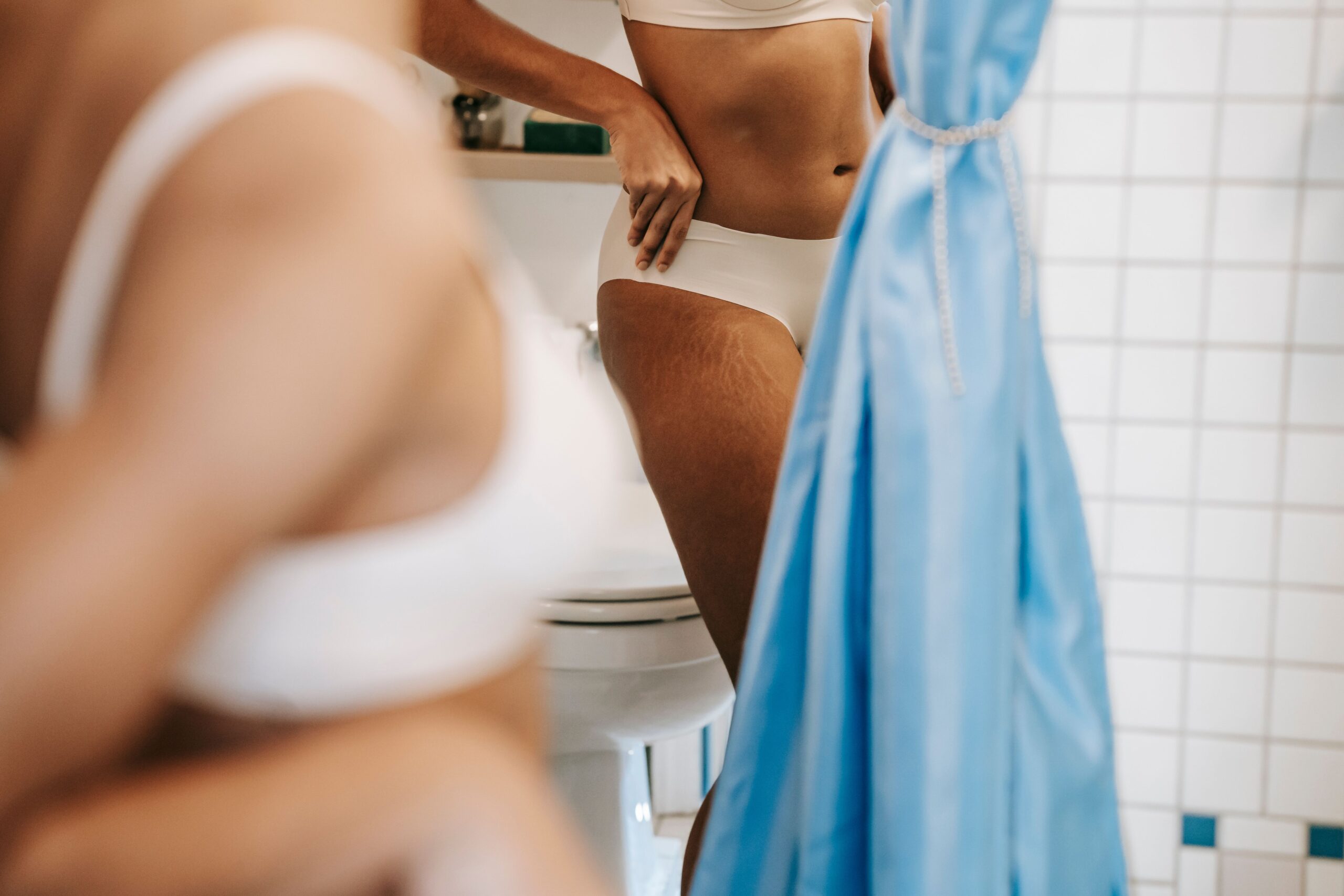
Stretch marks are one of the most common skin concerns we see at Clinic 33. They appear on people of all shapes, sizes and ages – after pregnancy, during growth spurts, with weight changes, or simply because of genetics. And yet they remain one of the most misunderstood conditions when it comes to treatment options.
So here is the honest answer to the question we hear most often: Can you actually get rid of stretch marks? In short, professional treatments can significantly improve their appearance – reducing visibility, smoothing texture and fading colour – but completely erasing them entirely is rarely realistic. That distinction matters because it shapes which treatments are worth your time and money and which are not.
This guide covers everything: what stretch marks are, why they form, what actually works (and what does not), and what you can realistically expect from professional treatment.
What Causes Stretch Marks?
Stretch marks – known medically as striae distensae – form when the skin is stretched faster than it can adapt. The middle layer of skin (the dermis) contains collagen and elastin fibres that keep it supple and elastic. When these fibres are put under rapid mechanical stress, they can tear, leaving the linear scars we recognise as stretch marks.
Common causes include:
- Pregnancy – particularly during the third trimester
- Rapid weight gain or loss
- Growth spurts in adolescence
- Bodybuilding or rapid muscle gain
- Hormonal changes, including those associated with puberty or corticosteroid use
Stretch marks go through two distinct phases, and this is important for treatment:
New (red or purple) stretch marks are raised, sometimes itchy, and still contain active blood vessels. At this stage, the collagen can still be stimulated and regenerated, which means treatments tend to work significantly better. The window of opportunity is real.
Older (white or silver) stretch marks have matured into depressed scars. The skin has flattened and lost much of its pigment. They can still be improved, but the goal shifts from near-removal to fading and texture improvement.
Do Creams and Home Remedies Work?
Walk into any pharmacy, and you will find shelves of oils, butters and creams promising to prevent or reduce stretch marks. It is worth being honest about what the evidence actually shows.
Most products – including popular choices such as bio-oil, cocoa butter and vitamin E creams – have not been shown in clinical studies to significantly reduce existing stretch marks. They may help with hydration and skin comfort, but there is little robust evidence that they change the underlying scar tissue.
Two ingredients do show some genuine promise when used on early (red or pink) stretch marks:
- Retinoids (such as retinol or prescription tretinoin): These help stimulate collagen production and cell turnover. Studies suggest they can make early stretch marks less noticeable when used consistently. They are not suitable during pregnancy.
- Hyaluronic acid: Two larger studies found that applying hyaluronic acid to early stretch marks made them less visible. It works best as a supporting treatment alongside clinical procedures.
The important caveat: even when these ingredients show some effect, it is modest and slow, and they have little impact on established white or silver stretch marks. For meaningful improvement, professional treatments are a different proposition entirely.
What Actually Works: Professional Treatments
This is where the evidence becomes much stronger. At Clinic 33, the approach to stretch marks combines treatments that have clinical backing for stimulating the skin’s own repair processes – without surgery and with minimal downtime.
Microneedling
Microneedling – also called collagen induction therapy – uses a device with fine needles to create controlled micro-channels in the skin. These micro-injuries trigger the body’s natural healing response: increased production of collagen and elastin, the two proteins that give skin its structure and elasticity.
For stretch marks, this matters because the damage underlying a stretch mark is essentially a collagen disruption. Microneedling directly targets this by encouraging the skin to rebuild from within. Multiple clinical studies have demonstrated meaningful improvements in stretch mark texture, depth and colour, particularly when combined with additional actives such as PRP (platelet-rich plasma) or topical serums applied during the treatment.
It is suitable for stretch marks on the body – abdomen, thighs, hips, buttocks and upper arms – as well as on the face and neck area.
Radiofrequency (RF) Treatment
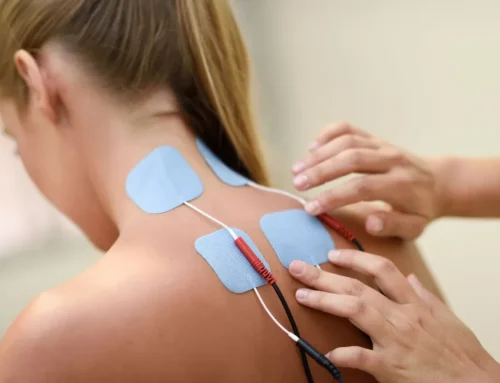
Radiofrequency treatments deliver controlled heat energy into the deeper layers of the skin, heating the existing collagen and triggering a contraction effect – visibly tightening the skin – while simultaneously stimulating the production of new collagen over the weeks that follow.
At Clinic 33, RF is often combined with microneedling for stretch mark treatment, as the two approaches target the scar tissue differently and together produce stronger results than either alone. The benefit is visible immediately and continues to improve for several months as new collagen remodels.
Chemical Peels
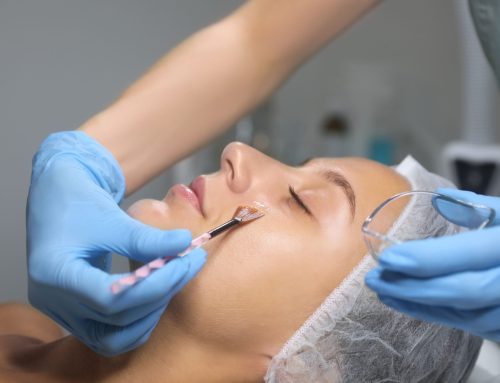
Clinical-grade chemical peels (such as those by Medik8) can also play a supporting role, particularly with newer, red stretch marks. By accelerating cell turnover at the skin’s surface, they help fade the discolouration and improve overall skin texture.
These are most effective as part of a combined treatment plan rather than a standalone approach, and the team at Clinic 33 will advise on the right combination for your specific marks and skin type.
Newer vs Older Stretch Marks: What to Expect
One of the most important factors in predicting your results is how old your stretch marks are.
Red or purple stretch marks (new):
These respond best to treatment. The collagen fibres are still in a state of remodelling, and stimulating the skin’s healing response at this stage can lead to dramatic improvement – in some cases, marks become barely visible. This is when treatment is most effective, and acting sooner is worth it.
White or silver stretch marks (established):
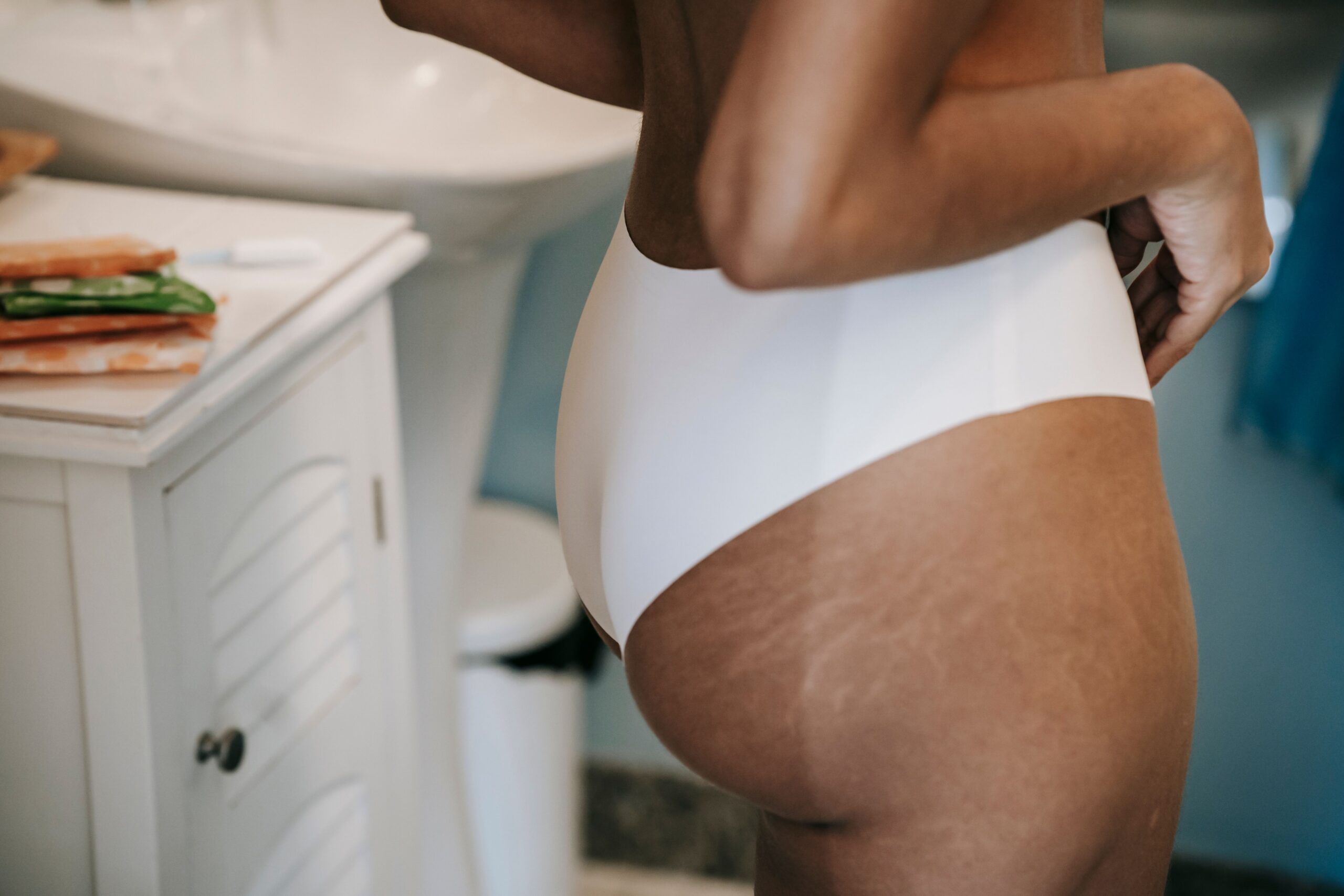
These can still be significantly improved. Texture tends to respond better than colour – the depression or indentation in the skin can be noticeably reduced, and the overall appearance can be faded. The goal here is improvement rather than elimination, but many people find the change meaningful enough to have a real impact on how they feel about their skin.
Skin tone and type also play a role. At your initial consultation, a Clinic 33 practitioner will assess your marks, discuss your skin history and recommend a realistic treatment plan based on what is likely to work best for you specifically.
How Many Treatments and What Results Are Realistic?
Stretch mark treatment requires a course of sessions rather than a single appointment. Collagen remodelling is a gradual biological process – the skin does not change overnight.
Most people need between three and six sessions, spaced four to six weeks apart, depending on the size of the area, the age of the marks, and the treatment combination recommended. Improvement tends to be progressive: you will likely notice the biggest visible change over the months following your final session as the skin continues to remodel.
It is also worth being honest about what results look like in practice. Clinical improvement is real and often significant, but stretch marks are scars – the underlying structure of the skin has changed, and no treatment can fully reverse that. What treatments can achieve is meaningful fading, texture improvement, and a visible reduction in the appearance of the marks. Most people who go through a full course of treatment find the results genuinely worthwhile.
After completing a course, maintenance treatments once or twice a year can help sustain and build on your results over time.
| Ready to find out what treatment would work best for your stretch marks? Book a free consultation at Clinic 33 – one of our practitioners will assess your skin, discuss your options honestly, and put together a plan tailored to you. No pressure, just clear advice. |
The Bottom Line
Stretch marks are extremely common. They are not a sign of poor health, lack of effort or anything to be ashamed of – they affect people across every demographic and lifestyle. The goal of treatment is not to erase evidence of your life, but to give you the option to feel more comfortable in your skin if that is what you want.
Professional treatments – particularly microneedling and radiofrequency – have real, clinically-supported results. Newer marks respond better than older ones, and a combined approach tends to produce the strongest outcomes. Home remedies and over-the-counter products can support treatment but are unlikely to drive meaningful change on their own.
The most important step is getting an honest assessment of your specific marks from a practitioner who can tell you what is actually achievable. That conversation is free at Clinic 33.
For further context on how microneedling works, our guide to microneedling treatment explains the process in more detail.