Microneedling: What It Treats, What to Expect and Aftercare
Microneedling is one of the most versatile skin treatments in clinical aesthetics, and also one of the most searched. Queries like “what is microneedling”, “what to expect after microneedling” and “microneedling benefits” together account for thousands of searches a month nationally, which reflects a genuine gap: a lot of people have heard of the treatment but want a clear, honest picture of what it does and what the experience is actually like.
This guide covers all of it. How microneedling works, what it genuinely helps with, what to expect on the day and in the days after, practical aftercare guidance, and how to work out whether it is the right treatment for your skin.
What Microneedling Is and How It Works
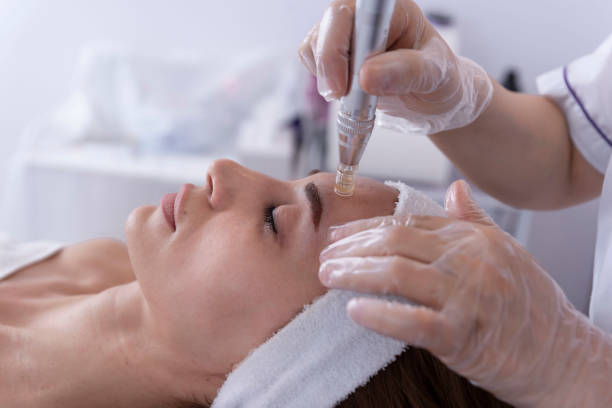
Microneedling, also called collagen induction therapy, uses a handheld device fitted with very fine needles to create controlled micro-channels in the surface of the skin. These micro-injuries are tiny and precise, but they trigger a real healing response: the skin begins producing new collagen and elastin as it repairs itself.
That collagen response is the mechanism behind virtually every benefit microneedling delivers. Collagen is the structural protein that keeps skin firm, smooth and resilient. Production slows naturally from the mid-twenties onwards, and damage from sun exposure, acne or environmental stress depletes it further. Microneedling prompts the skin to rebuild it.
At Clinic 33, microneedling is performed using the Nanopore pen by Sesderma, which combines the microneedling process with mesotherapy. Active ingredients such as hyaluronic acid, vitamin C, growth factors and peptides are applied to the skin immediately before treatment, and the micro-channels created by the device drive those actives into the deeper layers of the skin rather than leaving them on the surface. The result is collagen stimulation and targeted ingredient delivery in the same session. For more detail on how the mesotherapy element works, the mesotherapy page covers this.
What Microneedling Helps With
Microneedling is effective across a wider range of skin concerns than most single-mechanism treatments, because it works by improving the skin’s own structural capacity rather than targeting one specific issue.
Many clients see meaningful improvement in the following areas:
- Skin texture and smoothness: the most consistently reported result. Irregular texture, rough patches and enlarged pores all respond well as collagen production improves the dermis from within.
- Fine lines and early wrinkles: particularly around the eyes, forehead and mouth. New collagen plumps the skin subtly, softening lines without freezing expression.
- Dullness and uneven tone: accelerated cell turnover from the healing process, combined with vitamin C serums delivered during treatment, progressively brightens and evens skin tone.
- Acne scarring: microneedling has a good evidence base for atrophic (pitted or indented) acne scars, breaking down fibrous scar tissue and rebuilding collagen in the affected area. For broader information on managing acne, see the acne blog.
- Stretch marks: the same collagen-stimulating mechanism that helps with facial scarring also improves stretch mark texture and appearance, particularly on newer marks. For more on this, the stretch marks guide covers the full picture.
- Overall skin resilience and glow: many clients describe skin feeling firmer and looking healthier overall after a course, even in areas where no specific concern was being targeted.
It is worth being clear about what microneedling does not do. It will not produce the lifting effect of HIFU, the fat reduction of cryolipolysis, or the same-day radiance of a HydraFacial. It is a regenerative treatment, which means results build over weeks rather than appearing immediately. For clients who want visible improvement the same day, a HydraFacial may suit better as a complementary treatment.
What to Expect During and After Treatment
Before the session begins, your skin is thoroughly cleansed. A topical serum is applied, and the Nanopore device is passed across the treatment area using precise, controlled strokes. The sensation is a mild prickling or vibration, similar in feel to light sandpaper being moved across the skin. Most people find it very tolerable, and no anaesthetic cream is required with the Nanopore system.
A typical session takes between 30 and 60 minutes, depending on the area being treated.
Immediately after treatment, the skin will look pink or lightly flushed, similar in appearance to mild sunburn. This redness is normal and is a sign that the healing response has been triggered. It typically settles within 24 to 48 hours. Some clients experience very mild swelling or a sensation of tightness in the treated area for a day or two.
By day three or four, most people notice that the skin feels softer and looks brighter. The collagen-rebuilding process continues beneath the surface for weeks after treatment, which is why the most significant improvement tends to appear gradually rather than immediately.
Microneedling Aftercare
What you do in the 48 to 72 hours following microneedling has a meaningful impact on how well the skin heals and how good your results are. The skin is in an active repair state and more sensitive than usual during this window.
In the first 48 hours, do:
- Keep the skin clean and well hydrated using a gentle, unfragranced moisturiser or the serum provided by the clinic.
- Apply SPF 30 or higher whenever going outdoors, even on overcast days. Treated skin is more vulnerable to UV damage.
- Drink plenty of water to support skin recovery from within.
In the first 48 hours, avoid:
- Active skincare ingredients including retinols, AHAs, BHAs, vitamin C serums and any acids. These can irritate freshly treated skin.
- Makeup, if possible, for at least 24 hours after treatment.
- Swimming, saunas, steam rooms and intense exercise, which increase heat and sweat on the skin.
- Direct sun exposure without SPF.
From day three onwards, you can return to your normal skincare routine gradually. Retinol and active ingredients can usually be reintroduced from day five, though the clinic will advise you specifically based on how your skin has responded. SPF should remain a daily habit throughout your course of treatment.
How Many Sessions, and Is Microneedling Right for You?
For general skin improvement, such as texture, brightness and early fine lines, a course of three sessions spaced four weeks apart produces noticeably better results than a single treatment. The cumulative collagen response builds progressively across the course.
For more established concerns such as acne scarring, deeper lines or significant texture irregularity, a course of four to six sessions is more typical, again spaced around four weeks apart. Results continue to develop for up to three months after the final session as collagen remodelling completes.
Maintenance sessions every three to six months are a good way to sustain and build on results over time, particularly for anyone over 35 where natural collagen production has slowed significantly.
Microneedling suits most skin types and tones. It is not suitable during pregnancy, over active skin infections or inflamed breakouts, or for anyone on certain medications including blood thinners or oral retinoids. Keloid scarring is also a contraindication. All of this is checked at consultation before any treatment is recommended.
If your primary concern is skin laxity or lifting rather than texture and scarring, HIFU or radiofrequency may be a better fit. If your concern is congestion, dehydration or same-day results, a HydraFacial is more appropriate. The consultation at Clinic 33 is specifically designed to make sure the right treatment is matched to the right concern.
Microneedling at Clinic 33
At Clinic 33, microneedling is delivered using the Sesderma Nanopore pen, which allows the mesotherapy step to be integrated into the same session rather than performed separately. This means each treatment combines the collagen-stimulating effect of microneedling with the targeted delivery of active ingredients chosen for your specific skin concern, whether that is hydration, brightening, firming or scar treatment.
Every course begins with a skin consultation to assess your concerns, confirm suitability and agree the right serum combination and session plan. Full treatment details are on the microneedling and mesotherapy service page. Before and after results from Clinic 33 clients are on the results page.
| Want to find out whether microneedling is the right treatment for your skin concerns? Book a free consultation at Clinic 33 and the team will assess your skin, confirm suitability and recommend the most effective approach for your goals. |
Microneedling FAQs
Does microneedling hurt?
No. The Nanopore system used at Clinic 33 does not require anaesthetic cream, and most people describe the sensation as mild prickling or gentle vibration rather than pain. The face is more sensitive in some areas than others, particularly around the nose and forehead, but the treatment is consistently described as very tolerable. There is no bleeding during treatment.
How long does it take to see microneedling results?
Initial improvement in skin texture and brightness is often noticeable within a week of the first session. The more significant collagen-driven results, such as reduced scarring, refined lines and improved firmness, develop over four to eight weeks as the skin’s repair process completes. With a course of three or more sessions, results continue building for up to three months after the final treatment.
How many microneedling sessions will I need?
For most people, a minimum of three sessions is recommended to see meaningful improvement, particularly for texture, scarring or fine lines. For more established concerns, four to six sessions produce better outcomes. A single session is useful as a maintenance treatment or skin boost for those who have completed a course. Session spacing is typically four weeks to allow the skin to complete its healing cycle between appointments.
Is there downtime after microneedling?
There is minimal downtime. Redness and mild flushing settle within 24 to 48 hours for most people. You can return to normal activity the same day, though avoiding makeup for 24 hours and following the aftercare guidelines above will give your skin the best environment to heal and produce the strongest results. The treatment does not cause the peeling or extended recovery associated with more aggressive resurfacing procedures.